Seminar Examines the Conditions of Palestinian Refugees Amid the Israeli Aggression on Lebanon: Warning of a Dangerous Situation and Call for Urgent Action to Provide Relief
Beirut – August 26, 2026
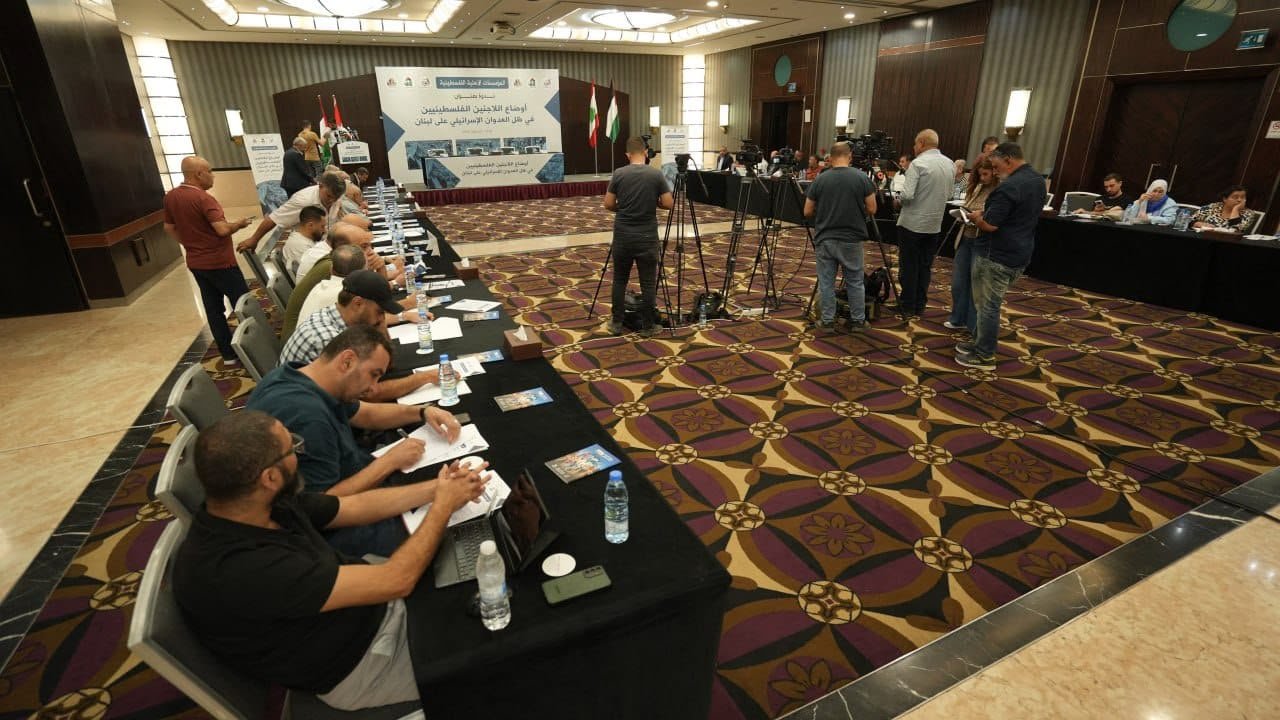
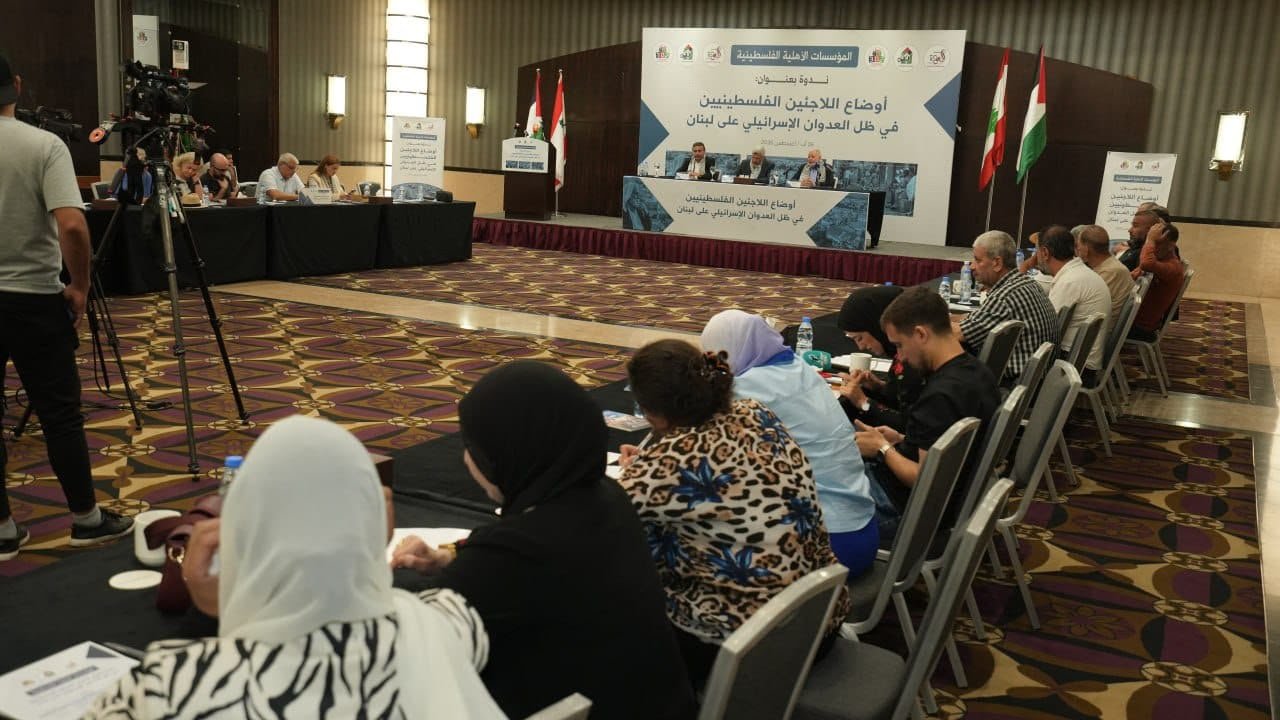
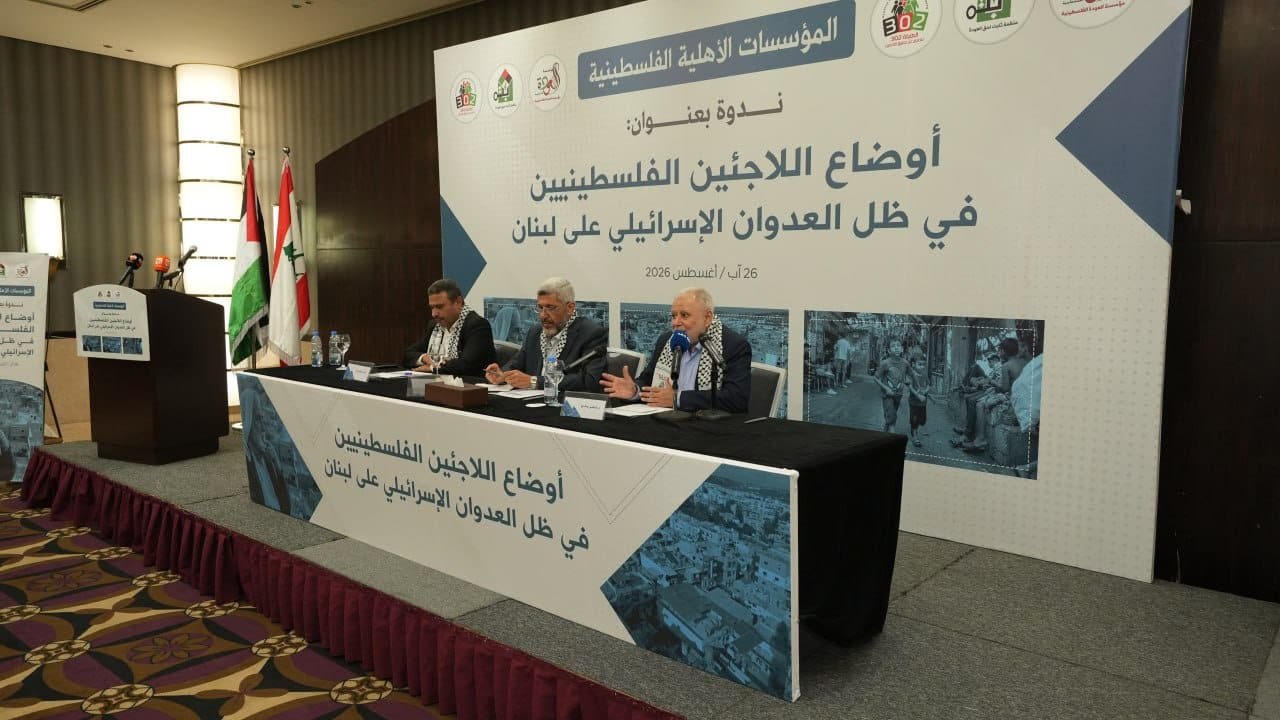
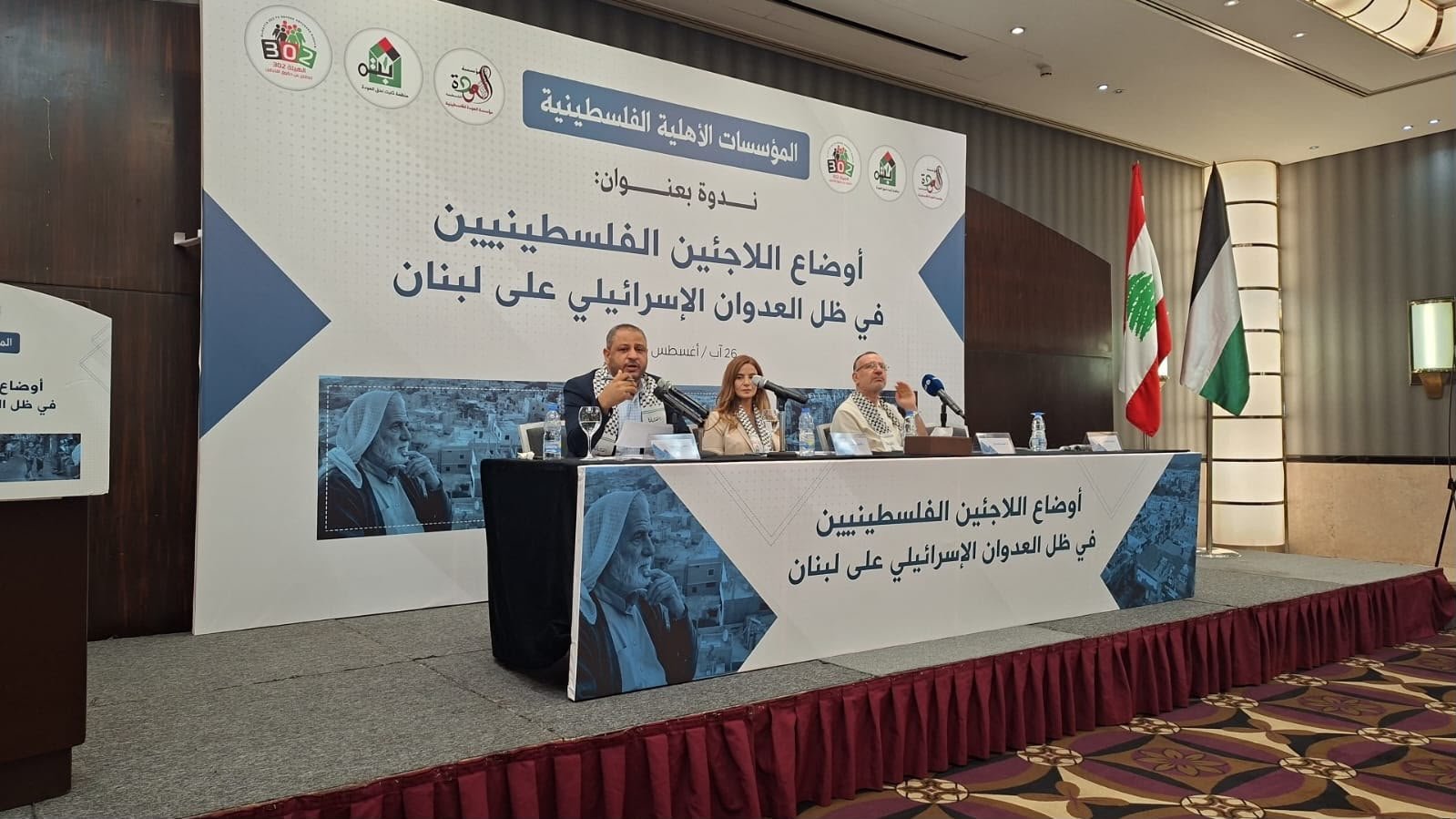
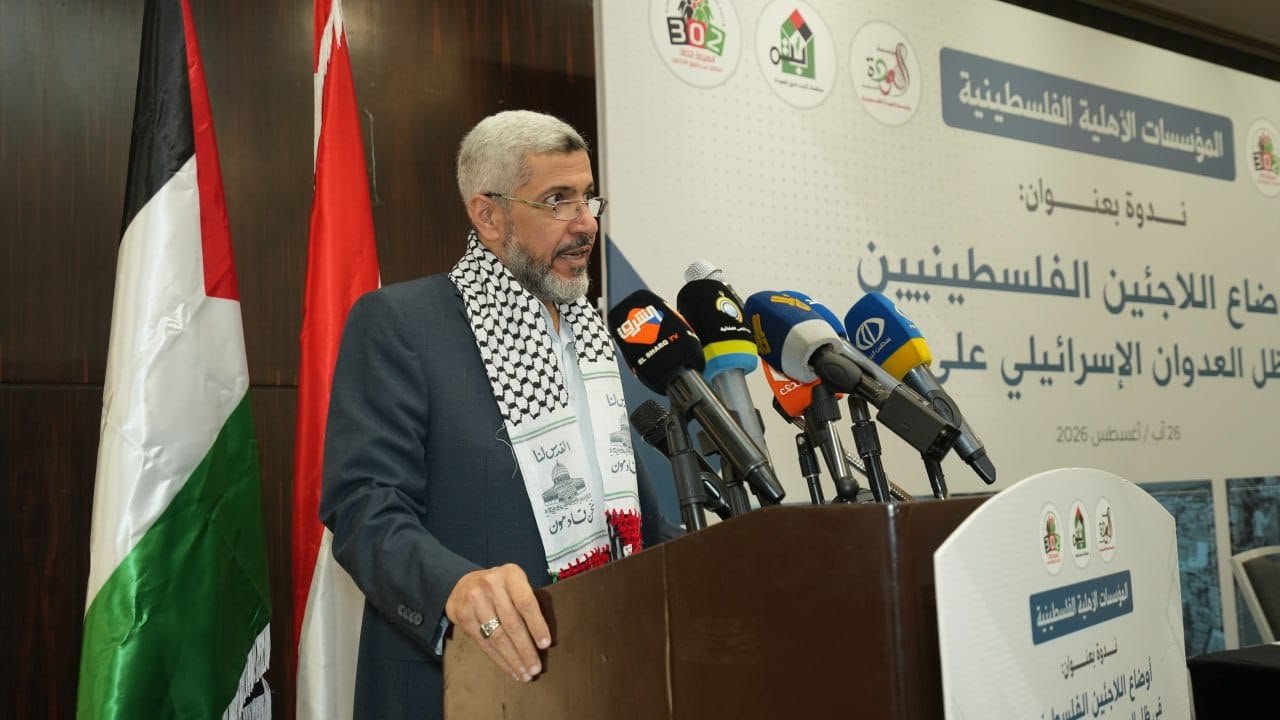
A specialized seminar in the Lebanese capital, Beirut, examined the conditions of Palestinian refugees in Lebanon amid the repercussions of the Israeli aggression, including its impact on the ground and its humanitarian and social consequences, as well as the situation of the United Nations Relief and Works Agency for Palestine Refugees (UNRWA) and the role of Palestinian media.
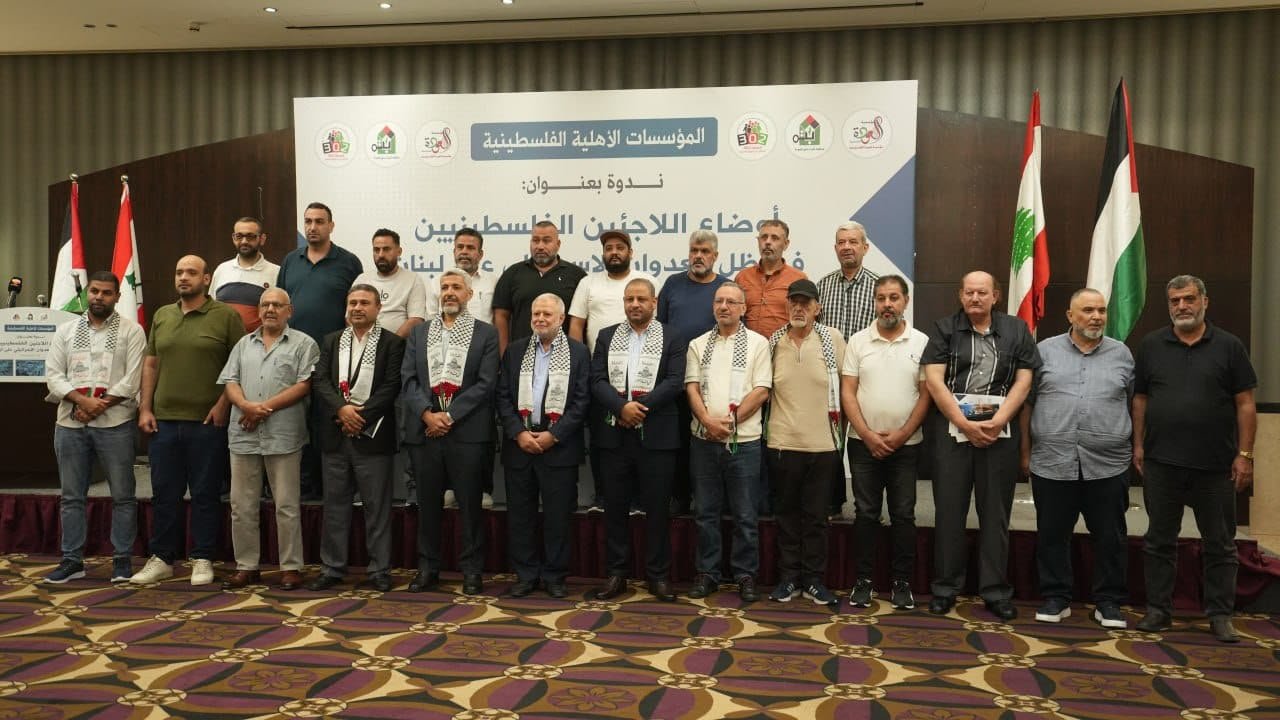
The seminar was organized by the Palestinian Return Foundation, Thabet Organization for the Right of Return, and the 302 Association for the Defense of Refugee Rights, with the participation of representatives of civil society organizations and institutions, Palestinian and Lebanese figures, researchers, and specialists in Palestinian affairs.
The seminar opened with remarks delivered by Yasser Ali, director of the Palestinian Return Foundation, on behalf of the organizing bodies. He emphasized that the gathering was taking place amid extremely difficult circumstances for Palestinian refugees in Lebanon, conditions that have become even harsher and more complicated as a result of the Israeli aggression, particularly in areas subjected to bombardment and displacement, where daily life and sources of livelihood have been disrupted.
Ali noted that the repercussions of the aggression have compounded a series of longstanding crises affecting Palestinian refugees, including difficult economic and living conditions, unemployment and poverty, and problems related to health, education, and employment, alongside what he described as the absence of civil rights and growing concern over the role of UNRWA.
He explained that the seminar was intended not merely to describe the difficult reality, but to place the actual problems on the table for discussion, draw upon the knowledge of experts and specialists, and raise questions about how to take action and convey the voices of refugees to those capable of exerting influence.
He stressed that those who must hear these voices include Palestinian and Lebanese officials, through the Lebanese-Palestinian Dialogue Committee, UNRWA, international and humanitarian institutions, as well as the media and public opinion.
Ali emphasized that the seminar did not claim to possess magical solutions to suffering that has accumulated over many years. Rather, it sought to develop realistic recommendations and identify priorities that can be pursued and transformed into practical steps to alleviate the suffering of refugees.
He reiterated that demanding refugees’ rights and dignity does not conflict with their right of return, stating that the human rights of Palestinian refugees do not constitute permanent settlement (tawteen), nor are they an alternative to return.
The seminar was divided into two specialized sessions:
First session: Moderated by journalist Hanan Issa, the session examined the situation of Palestinian refugees on the ground during the Israeli aggression through two presentations. The first addressed the conditions of refugees in southern Lebanon during the aggression and was presented by Sami Hammoud, director-general of Thabet Organization for the Right of Return. The second examined the state of Palestinian media in a paper entitled “Palestinian Media in Lebanon: Between Targeting and National Responsibility,” presented by journalist Ahmad al-Hajj. The session also featured interventions and comments from participants.
Second session: Moderated by Yasser Ali, director-general of the Palestinian Return Foundation, the session was devoted to specialized analyses and perspectives on the conditions of refugees. Dr. Mohsen Saleh, director-general of the Al-Zaytouna Centre for Studies and Consultations, presented a paper entitled “Real Solutions for the Conditions of Palestinian Refugees in Lebanon.” Ali Huwaidi, director-general of the 302 Association for the Defense of Refugee Rights, presented an assessment of UNRWA’s policies and programs during the aggression.
Seminar Conclusions and Recommendations
The seminar concluded following the presentations and interventions, with participants issuing a series of key recommendations and messages:
Warning of the dangerous situation: An urgent warning was issued regarding the grave conditions facing Palestinian refugees in Lebanon as a result of the Israeli aggression and the severe hardships confronting refugees and the camps.
UNRWA’s responsibility: Participants emphasized that UNRWA must assume its full responsibility and fulfill its role in providing relief to Palestinian refugees, particularly amid the exceptional circumstances created by the aggression.
Cooperation among institutions: The recommendations stressed the need for cooperation among Palestinian and international institutions in serving and supporting refugees, particularly during the aggression.
Urgent relief plans: Participants called for immediate relief for the Palestinian community in Lebanon through clearly defined emergency and rescue plans.
At the conclusion of the gathering, the organizing bodies affirmed that they would continue working to defend the rights and dignity of Palestinian refugees, based on the principle that:
“The Palestinian refugee is not a number, and the refugee issue is not a file; it is the cause of a human being, the cause of a right, and the cause of a homeland.”