University Education for Students in the Palestinian Refugee Camps in Lebanon
by Nour Wali
In the Palestinian refugee camps in Lebanon, university education is not simply another stage of study that students enter after finishing school. Rather, it is an opportunity to build a better future amid a reality filled with challenges. Every university student has a different story, but many share the same dream: to complete their education, achieve their ambitions, and play a meaningful role in their community. Yet the path toward realizing this dream is not always easy.
Palestinian students in the camps face a range of difficulties that can affect their ability to access university education or continue their studies. Foremost among these are difficult economic conditions, high university tuition fees, and the costs of transportation, books, and other educational materials, in addition to limited employment opportunities and income. In some cases, students find themselves compelled to work alongside their studies or consider leaving university—not because they do not want to continue, but because their circumstances have become too difficult for them to overcome.
This problem does not concern the student’s future alone. When the camp loses a university student because they cannot afford the cost of education, the community loses a doctor, engineer, teacher, journalist, or researcher who could have contributed to its development. Supporting university education should therefore be viewed as an investment in Palestinian people, rather than as temporary assistance.
This highlights the importance of establishing sustainable programs to support students, including scholarships and financial assistance for university education, alongside academic counseling and career guidance. Students need information about fields of study that are in demand, the opportunities available to them, and scholarships for which they can apply. They also need opportunities to develop their skills in languages, technology, communication, and employment. Palestinian centers and institutions can play an important role in this area by building networks that connect students with universities, supporting organizations, and people with relevant expertise.
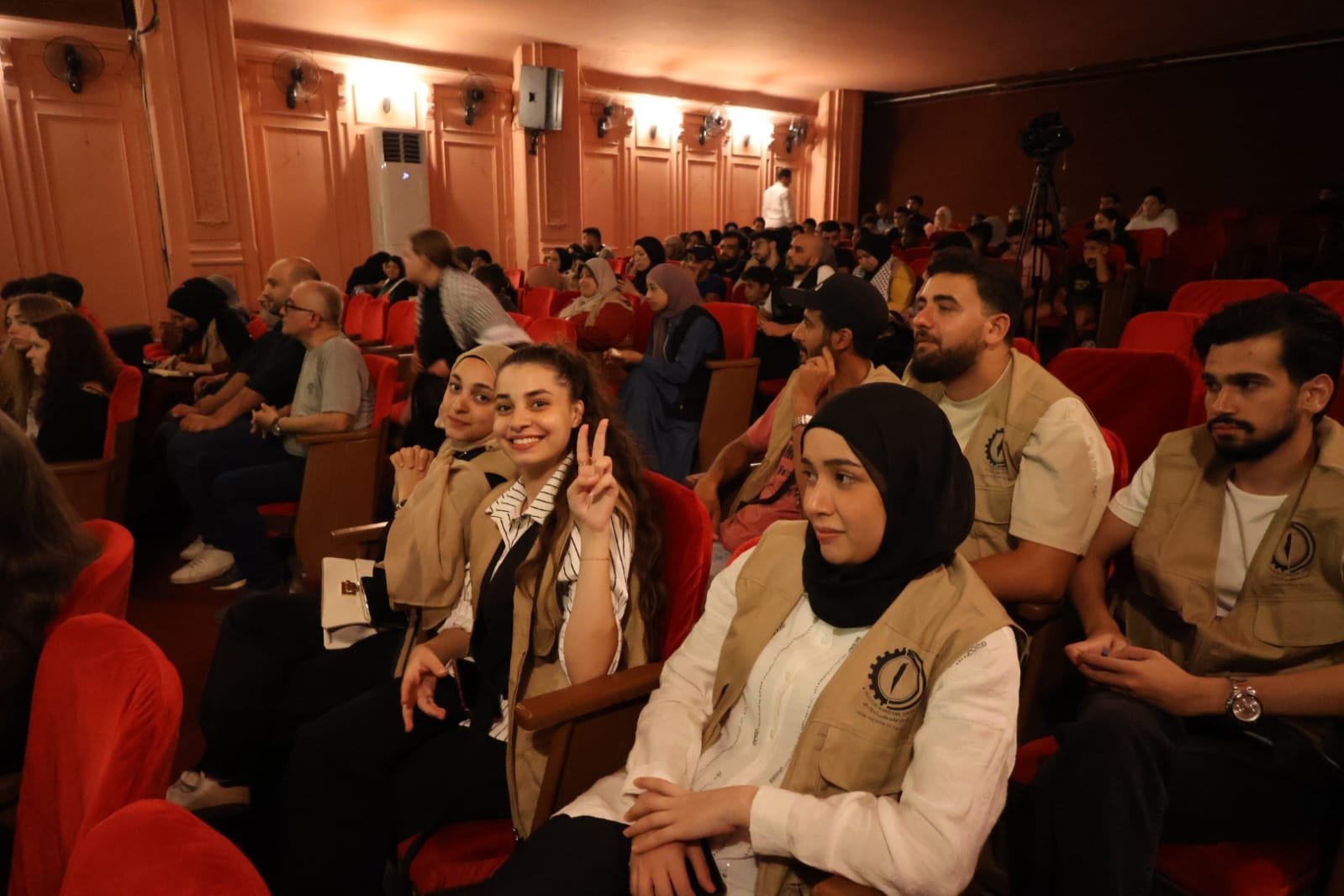
Students themselves also have an essential role to play. A university student is not simply someone seeking to obtain a degree; they are also a source of energy and potential within the camp. Involving students in community initiatives and activities, and encouraging them to share their knowledge and experience with others, can foster cooperation among young people and make their university education an extension of their role within their community.
In the Palestinian context, education takes on a broader meaning. The struggle for existence is not determined solely by political positions and slogans, but also by education, knowledge, and the development of human potential. When a young Palestinian from a refugee camp graduates from university and becomes capable of working, making an impact, and contributing to society, it means that their circumstances have not succeeded in preventing them from building their future.
Supporting university education in the Palestinian refugee camps in Lebanon therefore means supporting an entire generation that carries responsibility for the future. What is needed is for every student to have a fair opportunity, rather than having their future determined by their financial means. With every student we help to enter university and continue their education, we open a new door for their future, add to our community a person capable of contributing to it, and preserve one of the most important sources of the Palestinian people’s steadfastness: an educated and conscious person, capable of carrying the Palestinian cause wherever they may be.